AROTIN & SERGHEI continue the exploration of the idea of the infinite in new angles:
Human perception, cosmic processes, and philosophical questions interweave.
The new work cycle is inspired by our encounters with philosopher and Florensky-specialist, Silvano Tagliagambe; with the planet formation specialist Antonio Hales, and with the astrophysicist Gaspar Galaz.

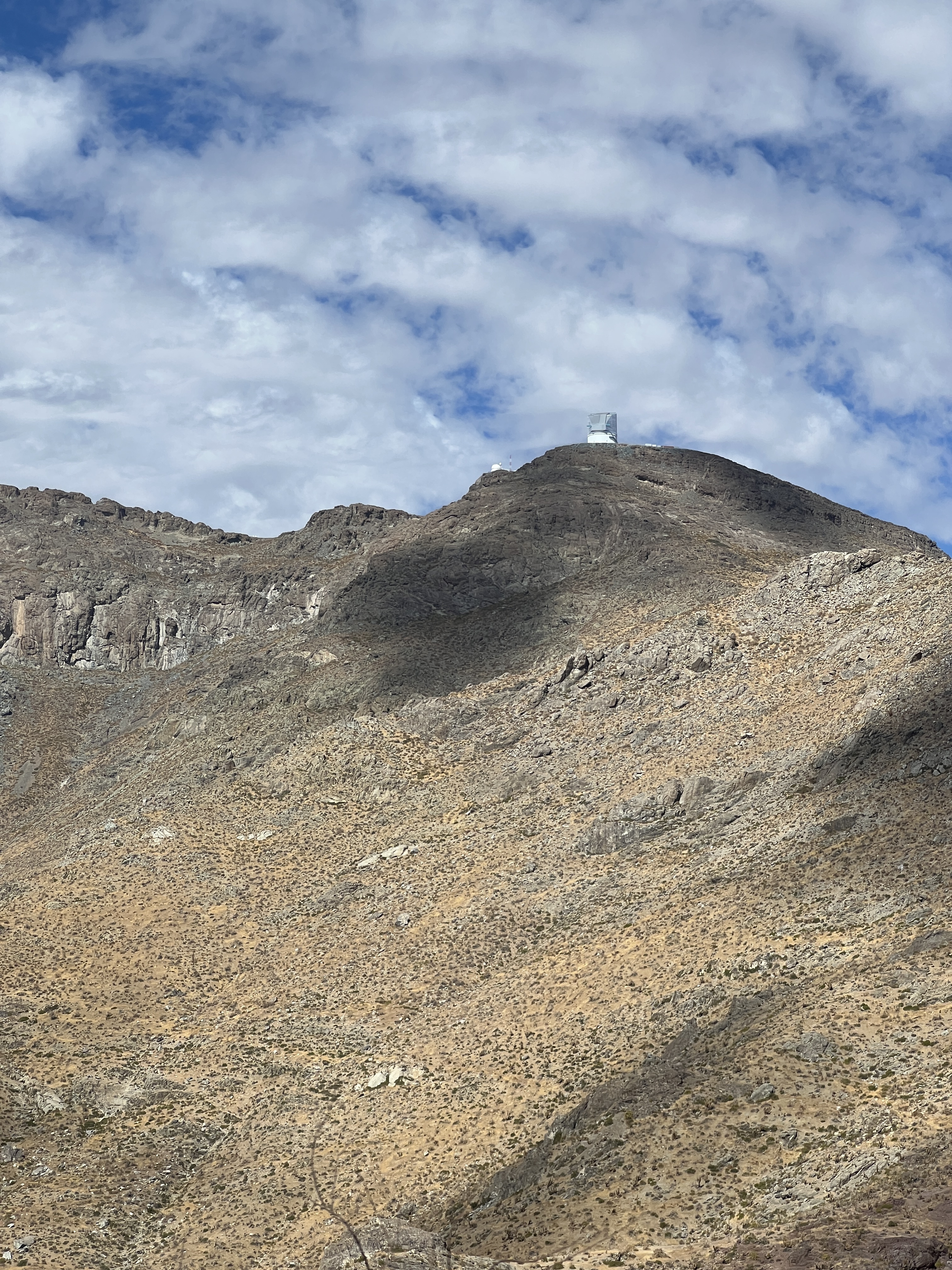

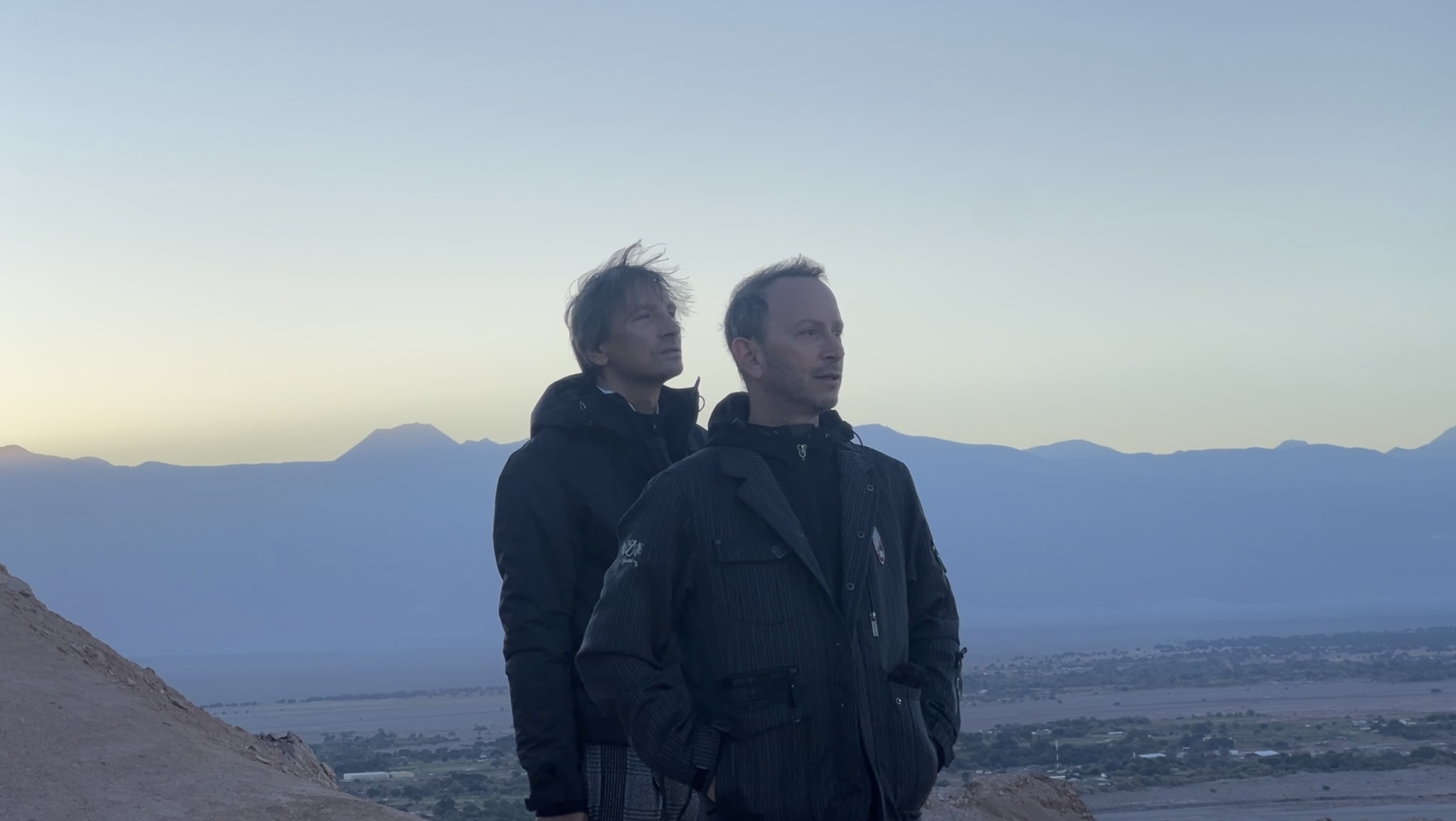
First part of the project was a research journey to the driest and there darkest place on earth, (and therefore with the best view to the stars) : the intense landscapes of the Atacama desert in Chile and to the observatories of ESO, Vera Rubin and ALMA, situated on its summits. Each of these international astrophysical institutions reveals totally different approaches and technical ways of exploration and detection of the infinite unknown space around us.

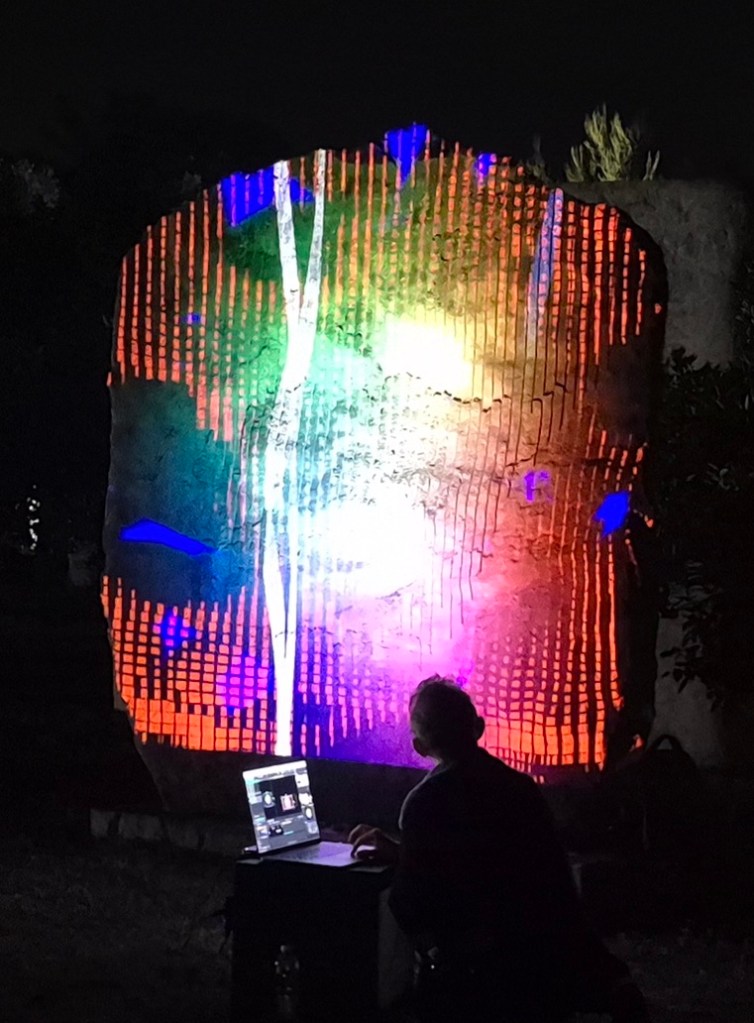

Returning to Europe, the artists realized the installation Layers of Reality in the absolute center of Mediterranean Sea, around the archeological site of Pozzo Santa Cristina, in Sardinia: a digital projection on a prehistoric basalt rock at Sciola Foundation’s Sound Garden: a superposition of realities, working with the same visual coloring methods that are used by Alma astrophysicists when revealing fields of planet formation.
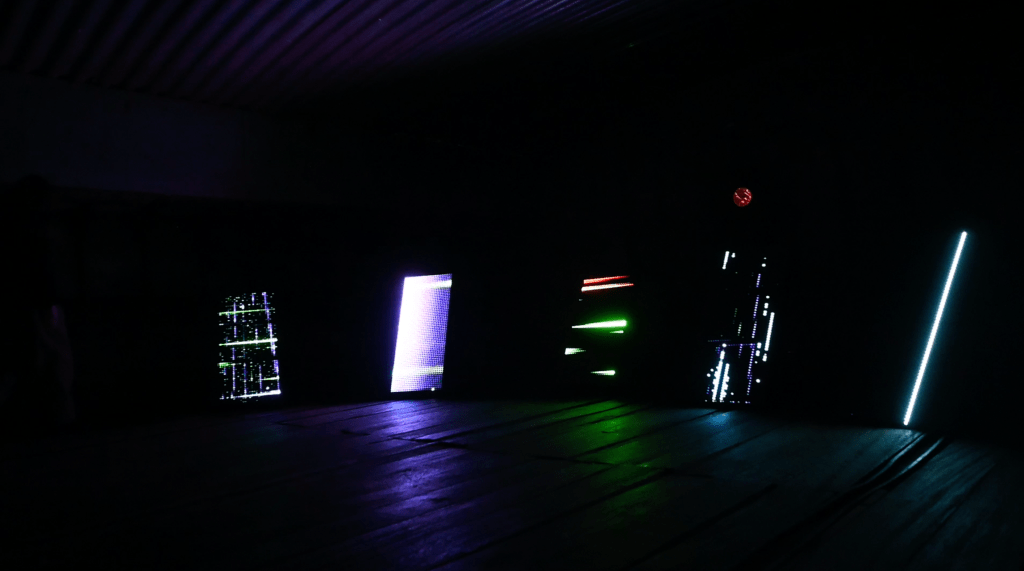
The next part of the project, Reverse Perspective, is created on a floating art space in the centre of Berlin. Similar to the antennas of Alma observatory, the screens were positioned upward, toward the infinite.
The extremely intense, low and spaced resolution of the monitors makes visible each single light pulse. The screens revealing traces of detected realities. The sound installation is composed with cosmic captures by “Alma-sounds” astrophysical platform, particles of planet genesis.
This installations refers to the concept of the “reverse perspective” by the philosopher Pavel Florensky, for whom truth doesn’t reveal itself in the way we usually look at things. It appears when our vision suddenly shifts—when something changes the angle from which we see the world. He sees an echo of this reversal in the art of the icon. Its inverted perspective in fact doesn’t imitate human sight; it draws us somewhere else. It pushes our gaze to move, to leave its usual position, and to discover a space we couldn’t perceive before.
 INFINITE SCREEN